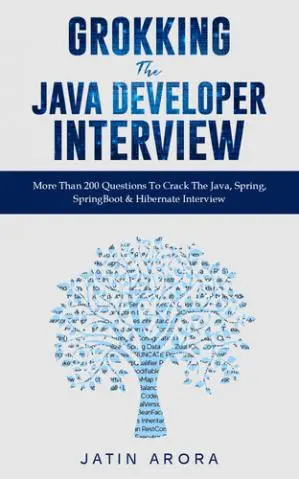
Preparing for a technical interview can feel overwhelming, especially when you’re targeting Java developer roles at product companies or top tech firms. I’ve seen candidates struggle not because they lack knowledge, but because they don’t structure their preparation properly. That’s where Grokking The Java Developer Interview by Arora, Jatin stands out.
This book isn’t just a random collection of Java questions. It focuses on helping you understand core concepts deeply, connect theory with real interview scenarios, and prepare with clarity instead of panic. In this article, I’ll walk you through what makes this book relevant, who should read it, and how you can use it effectively.
Understanding the Author’s Approach
Arora, Jatin structures the content around real-world interview expectations rather than academic explanations. The book emphasizes:
-
Core Java fundamentals
-
Object-oriented programming concepts
-
Data structures and algorithms in Java
-
Concurrency and multithreading
-
JVM internals and memory management
-
Practical coding interview scenarios
Instead of dumping information, the author explains why interviewers ask specific questions and how you should think while answering them.
Why “Grokking” Matters in Java Interviews
The word “grokking” means deeply understanding something. And that’s exactly what many candidates miss. They memorize definitions but cannot explain:
-
Why
HashMapworks the way it does -
How garbage collection behaves under pressure
-
What happens when multiple threads access shared resources
This book pushes you to think beyond surface-level answers. It encourages clarity in concepts like:
Core Java Concepts
-
Inheritance vs composition
-
Abstraction and encapsulation
-
Interfaces vs abstract classes
JVM & Memory
-
Heap vs stack memory
-
Garbage collection mechanisms
-
Class loading process
Multithreading
-
Synchronization
-
Race conditions
-
Thread pools and Executors
Interviewers often test these areas deeply, and this guide aligns with those expectations.
Who Should Read This Book?
1. Freshers Preparing for Java Interviews
If you’re just starting out, this book gives you a structured roadmap.
2. Mid-Level Developers Switching Jobs
If you’ve worked in Java but never revised fundamentals thoroughly, this will expose your weak spots.
3. Developers Targeting Product-Based Companies
These interviews demand clarity in data structures, concurrency, and design thinking. This book covers those areas effectively.
Key Benefits of Grokking The Java Developer Interview
Structured Learning
The biggest advantage is organization. Instead of random topics, it flows logically from basics to advanced concepts.
Interview-Oriented Explanations
Each concept connects to common interview questions. You don’t just learn Java — you learn how to answer under pressure.
Practical Coding Focus
Expect practical examples, not just theoretical definitions. For example:
-
Writing thread-safe code
-
Optimizing collections usage
-
Avoiding memory leaks
Strong Foundation Building
Even experienced developers realize gaps when revisiting topics like:
-
equals()andhashCode()contracts -
Immutable objects
-
Exception handling best practices
How to Use This Book Effectively
Many candidates read books passively. That won’t work here. I recommend:
Step 1: Revise Core Java First
Ensure you understand syntax basics before diving deep.
Step 2: Practice Code Alongside Reading
If the book explains synchronization, write small thread examples yourself.
Step 3: Simulate Interviews
After finishing a chapter, try explaining concepts out loud as if you’re in an interview.
Step 4: Combine with Mock Interviews
Theoretical clarity + mock practice = real confidence.
Real Interview Areas Covered in the Book
Object-Oriented Design Thinking
You’ll find guidance on writing clean and modular Java code.
Collections Framework
Questions around ArrayList, HashMap, ConcurrentHashMap, and internal working appear frequently in interviews.
Concurrency and Multithreading
One of the most feared topics becomes manageable when broken down properly.
Exception Handling & Best Practices
Interviewers often test edge-case thinking. This book prepares you for that.
Practical Example: HashMap Interview Insight
Instead of memorizing “HashMap stores key-value pairs,” this guide helps you explain:
-
How hashing works
-
What happens during collision
-
Role of
equals()andhashCode() -
How performance changes after Java 8
That’s the difference between surface knowledge and grokking.
Is It Suitable for System Design Preparation?
While the primary focus is Java fundamentals and coding interviews, the clarity it builds helps in low-level design discussions. However, for advanced system design interviews, you may need additional resources.
Learning Format & Accessibility
Many learners prefer structured reading over scattered online content. Some even combine technical preparation with reading resources from platforms like Netbookflix to maintain consistent study habits, but the key remains disciplined revision.
Common Mistakes This Book Helps You Avoid
-
Memorizing answers without understanding
-
Ignoring multithreading
-
Skipping JVM internals
-
Underestimating collections framework
-
Avoiding coding practice
It pushes you to confront weak areas early.
10 Frequently Asked Questions (FAQs)
1. Who is the author of Grokking The Java Developer Interview?
The book is written by Arora, Jatin, focusing on interview-oriented Java preparation.
2. Is this book suitable for beginners?
Yes. It builds Java fundamentals step-by-step, making it useful for freshers.
3. Does it cover multithreading in detail?
Yes. Concurrency, synchronization, and thread behavior are explained clearly for interviews.
4. Is data structures coverage strong?
The book connects data structures with Java implementation, making it practical for coding interviews.
5. Does it explain JVM internals?
Yes. Heap, stack, garbage collection, and class loading are discussed clearly.
6. Is it useful for product-based company interviews?
Absolutely. It prepares you for conceptual and scenario-based Java questions.
7. Does it include coding examples?
Yes. Practical examples help reinforce theoretical concepts.
8. Can experienced developers benefit from it?
Yes. Many professionals discover gaps in core Java concepts while revising.
9. Is it enough for system design interviews?
It helps with Java foundations, but advanced system design may require additional resources.
10. How long does it take to complete the book?
Depending on pace, 3–6 weeks of consistent practice is realistic for thorough preparation.
Final Thoughts
Grokking The Java Developer Interview by Arora, Jatin is more than a question bank. It is a structured roadmap for mastering Java interview preparation. It strengthens your fundamentals, improves your confidence, and trains you to think clearly under pressure.
If you approach it actively — writing code, revising deeply, and practicing mock interviews — it can significantly improve your performance in Java developer interviews.
Preparation isn’t about reading more resources. It’s about understanding the right ones deeply. This book encourages exactly that.